Apply at 10:07, Follow Up on Day Four: Seven Live Job-Search Habits UK Recruiters Notice in 2026
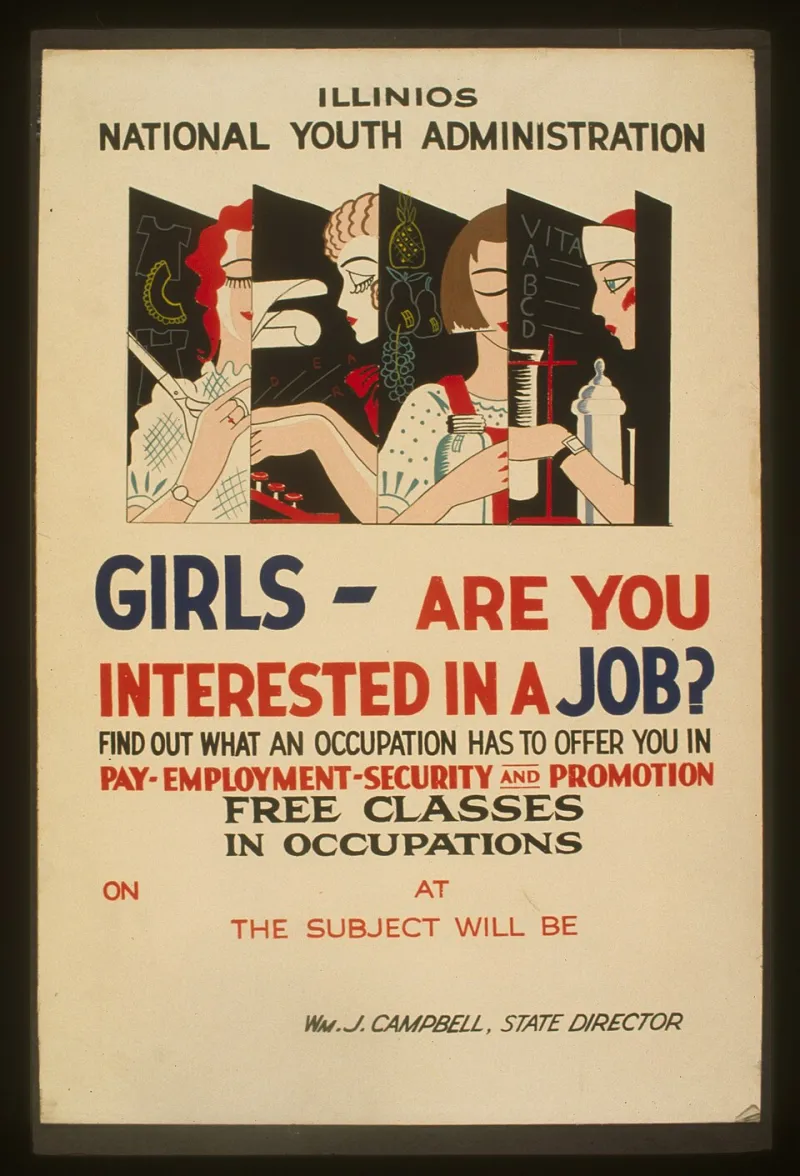
Photo: Work Projects Administration Poster Collection, Public domain, via Wikimedia Commons
There's a particular kind of silence after you hit send on a job application. It's not a rejection—not yet—it's just... nothing. In 2026, with UK employers using sharper filters and leaner hiring teams, that silence can feel personal. But the candidates getting replies aren't always the best qualified. They're often the best timed.
Timing isn't about being manipulative. It's about respecting the reality of a recruiter's inbox. Here are seven live job-search habits that UK hiring managers actually notice—and a few they'd rather you didn't repeat.
The 10:07 rule (it's less mystical than it sounds)
The so-called 10:07 rule is simple: aim to send applications mid-morning, ideally Tuesday to Thursday, rather than at 11pm on a Sunday. Why 10:07? Because it's specific enough to make you think about timing, and late enough that your email isn't buried under the 8am avalanche. There's no magic minute. The point is to land in the window when recruiters are caffeinated, not drowning.
Monday mornings are chaos. Friday afternoons are a graveyard. Tuesday and Wednesday between 10am and 11:30am tend to be when job ads get checked and shortlists get moved. If you're applying through an applicant tracking system (ATS), the timestamp still matters less than the quality—but a human opening a portal at 10:15am is more likely to read your CV properly than the one skimming at 5:58pm.
Tuesday isn't the only day that matters
A lot of UK recruiters front-load their week. That makes Tuesday a solid bet for fresh applications and follow-ups. But Thursday is quietly underrated: it's late enough that the week's priorities are clear, and early enough that your note doesn't get lost in Friday's out-of-office shuffle. If a role is urgent, apply the day it goes live. Speed still wins for live vacancies, especially in sectors like logistics, hospitality and customer service.
Follow up on day four, not day one
The fastest way to look desperate is to chase a hiring manager two hours after submitting your application. The second-fastest is to send three emails in a week. A good rule of thumb: follow up after four working days. Keep it short, polite and useful.
Don't write 'just checking you got my CV'. That puts the work back on them. Try: 'I applied for the marketing assistant role on Tuesday and wanted to flag that I've just finished a campaign analytics course—happy to share the certificate if useful.' One follow-up, one new detail. If you hear nothing after a second note two weeks later, file it under 'their loss' and move on.
Speculative outreach works—in short, targeted bursts
The speculative email isn't dead. It's just badly used. In 2026, UK recruiters can spot a copy-and-paste 'I am passionate about your company' from a mile off. What works is a short, specific burst: 15 minutes a day, five tailored messages, one clear ask.
Pick five organisations you actually want to work for. Find a real person—team lead, talent manager, someone doing the job you want—and send three lines: why them, what you bring, and a low-friction question. 'Would you be open to a 10-minute chat about what your team needs in 2026?' beats a 600-word life story. Do this in bursts, not marathons. Ten thoughtful messages a week will outperform a hundred generic ones.
Job alerts are not a personality
Live job-search habits matter more than job-board tourism. Set alerts on LinkedIn, Indeed and sector-specific boards. Check them twice a day—morning and late afternoon—and apply within 24 hours to anything that genuinely fits. But don't let alerts become a scrolling habit. The goal is a shortlist, not an endless feed.
The two-line cover note
Your CV does the heavy lifting. Your cover note should do one job: connect your experience to their advert. Two lines is often enough. 'Your ad mentions a new CRM rollout—I managed a similar migration at [place] and cut admin time by 20%.' That's it. No 'I am writing to apply.' No 'Please find attached.' Just a reason to open the attachment.
Track everything like a nosy detective
Keep a simple spreadsheet: role, company, date applied, contact name, follow-up date, outcome. It sounds boring. It is boring. It also stops you chasing the same recruiter twice and helps you spot which tactics work. If your Tuesday applications get more replies than your Sunday ones, you've just learned something useful.
What to do this week
Pick three roles that close soon. Apply Tuesday or Wednesday between 10am and 11am. Set a four-day follow-up reminder. Spend 15 minutes on speculative outreach to two organisations. Then close the laptop and go outside. The job hunt is a marathon, but the tactics are sprints.
The bottom line: in 2026, UK recruiters notice the candidate who is timely, specific and calm. You don't need to game the system. You just need to stop sending your best work into a void at midnight.