Before You Switch Off: A Ten-Minute Interview Debrief for the Journey Home
You shake hands, collect your coat, and by the time you hit the escalator your brain has either started a horror reel or quietly deleted the whole afternoon. Both are a waste. The ten minutes after a UK interview are some of the most useful minutes in the entire process, because the detail is still fresh and your ego has not yet written its own version of events.
Treat the journey home as a match report, not a post-mortem. You are not there to relive every awkward pause. You are there to capture what happened while it is still true.
Don't Review the Vibe. Capture the Facts.
Open the notes app before you put your headphones on. You need five headings: people, questions, examples, stalls, and hook. That is it. No essay, no mood board, no drafting a 900-word apology to the hiring manager.
Start with the questions while they are warm. Write them in your own words, not the polished versions you would put on a website. If they asked how you handle a supplier delay and then pushed on stakeholder communication, write exactly that. If the tricky one was about prioritising competing deadlines, note the phrasing. Next-round interviews often revisit the same territory with sharper follow-ups.
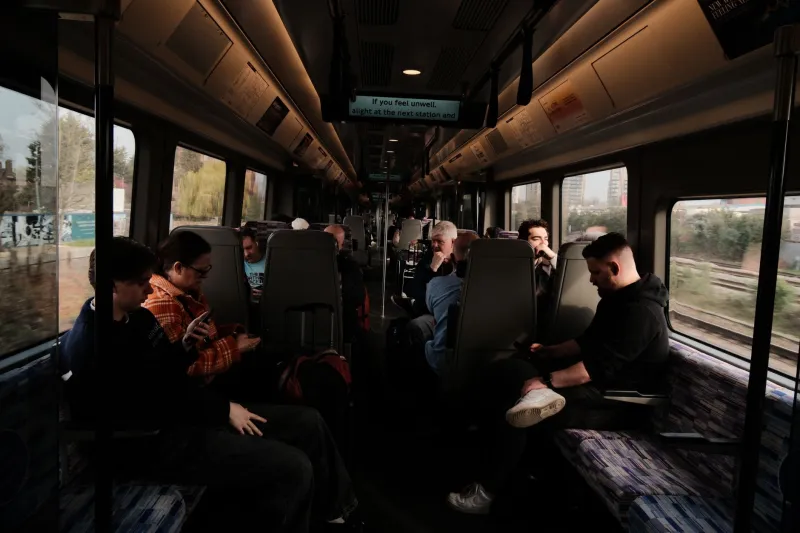
Do not trust your memory to hold the details. On a packed Northern service or a sweaty Tube carriage, your brain will happily replace specifics with a vague sense of whether it went well. Specifics are what help you prepare.
People Are Not Background Noise
Write down names, roles, and who did what. Who led the conversation? Who pushed back? Who checked the time? Who said they would be your point of contact? If a panel included someone from an adjacent team, note that. It tells you where the role actually sits and who might care about what.
This is not about becoming an amateur detective. It is about being attentive. When you send a thank-you note, you can refer to the person who asked about reporting tools, or the manager who mentioned the team is consolidating three systems. That lands better than a generic line about enjoying the conversation.
If you genuinely cannot remember a name, write the role and a neutral detail. Blue shirt, left side, asked about onboarding. Then check the interview invitation or LinkedIn later. Do not guess a name in writing.
Which Stories Actually Landed
Give each example you used a simple traffic light. Green means the interviewer nodded, took notes, or asked a follow-up. Amber means polite interest and a swift move on. Red means you rambled, they cut in, or the energy dropped.
You are not rewriting your answers on the train. You are noting the headline and one detail that worked. Maybe your cost-saving project landed because you gave the figure before the methodology. Maybe your example about managing a difficult stakeholder stalled because you spent too long on context and never got to the result. Write that down.
Next time, lead with the bit that worked. If you get a second stage, you will have a ready-made set of stories that already have evidence behind them.
Where the Conversation Stalled
Note the pauses, the furrowed brows, and the moments someone asked you to clarify. This is data, not a character flaw. If they asked twice about hybrid availability, that is a signal. If the role sounded different from the advert, capture the exact phrase they used. If you froze on a question, write it down and draft a thirty-second answer at home.
Do not send a panicked correction email unless you made a factual error. Most interviewers are not waiting for you to relive the whole thing in their inbox. Use the notes to improve, not to flog yourself.
Find One Hook for the Thank-You
Before you leave the station, find one specific detail worth referencing. It might be the team's migration to a new CRM, a comment about how they run onboarding, the office move, or an article the interviewer mentioned. One detail is enough. It shows you were listening, not just performing.
Send the thank-you the same day, ideally within a few hours. Keep it short. Two paragraphs, around 120 words. Thank them for the time, reference the hook, restate one strength, and confirm your interest. If a recruiter is your main contact, send it to them and ask them to pass it on. If you met a panel, email the lead interviewer and ask them to share it with the others. Do not send it at 11pm from your sofa.
Turn the Notes into Next-Round Prep
If you get invited back, open the debrief before you open the job description again. Build your prep from the stalls and the amber or red stories. If they asked about line management and you waffled, prepare a crisp example with a clear outcome. Reuse the people map. Who is likely to be in the next round? What did they care about?
If the answer is no, the notes still earn their keep. You can send a brief, gracious reply, ask for feedback where appropriate, and keep the door open. Recruiters remember candidates who handle a no with good grace. You can also update your own records so the next application is sharper.
The journey home is not dead time. It is the only moment when the interview belongs to you before it becomes a memory. Ten minutes of notes now can save you an hour of anxious replay later, and it gives you something far more useful than a vibe: evidence.