The Clock-On Question: What to Ask Before a UK Trial Shift Becomes a Free Weekend
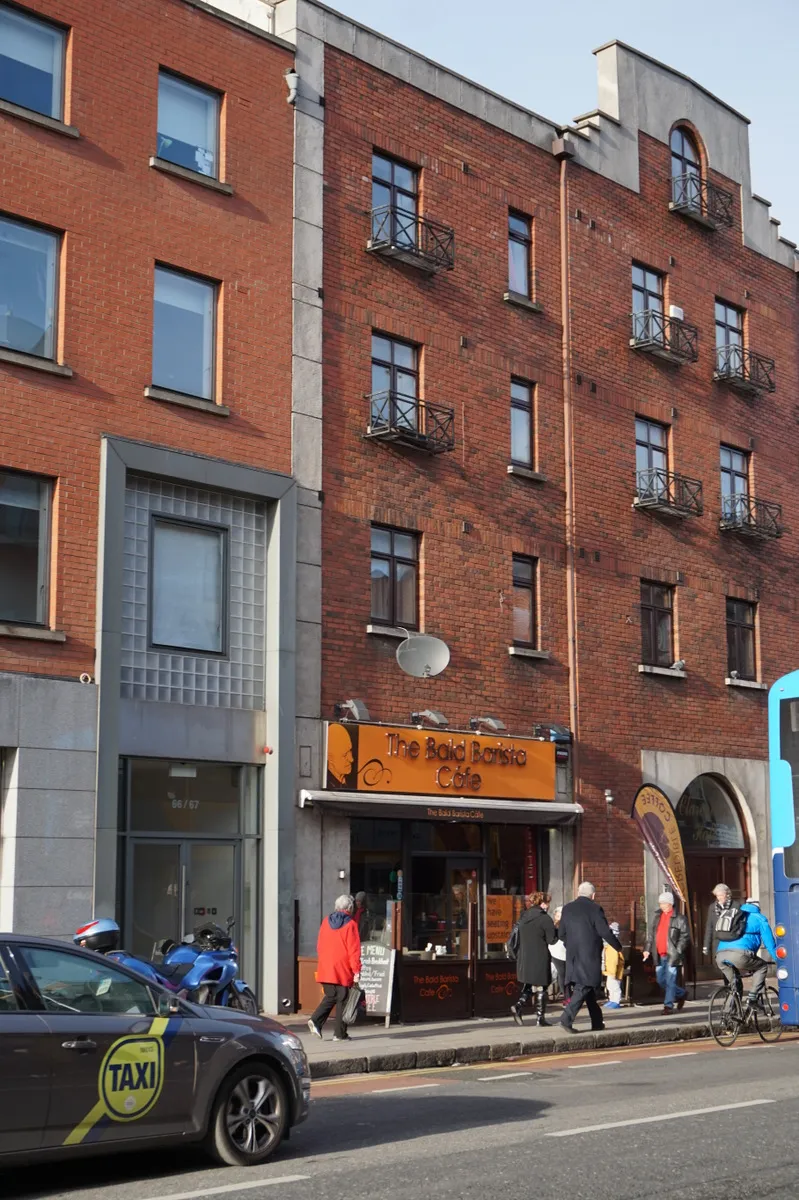
Photo: Ian S , CC BY-SA 2.0, via Wikimedia Commons
You spot the ad on a Tuesday: 'Paid trial day — come in for a few hours, see how you get on.' By Friday you're on your feet behind a bar in Leeds, six hours in, and nobody has mentioned a rate. Or a break. Or when you might hear back.
Trial shifts are a normal part of hiring in UK hospitality, retail and the trades. A short, supervised, paid session can be a sensible way for both sides to check fit. But the language around them is loose. 'A few hours' can mean two. It can also mean a full weekend. 'Paid' can mean 'we'll sort something out' or 'we'll pay you if we hire you'. And 'trial' can be a genuine assessment or a rota gap with your name on it.
This isn't about assuming the worst. It's about asking better questions before you agree — and reading the answers as carefully as the shift itself.
First, Separate the Working Interview from the Free Shift
A working interview is usually short, structured and observed. You might spend 45 minutes on a till with a manager nearby, or plate a couple of dishes while the head chef watches. You are being assessed, not used to plug a staffing hole.
A trial shift is different. You turn up, you're handed an apron, and you do the job. That can still be fair — but if you're serving customers, operating equipment, handling stock or producing something the business sells, you're working. In the UK, if it's work, the relevant minimum wage should apply. That's the anchor. You don't need to turn up with a legal textbook, but you do need to know the difference between a genuine recruitment exercise and a free shift.
The clock-on question is simple: what exactly am I agreeing to?
Seven Questions Worth Asking Before You Say Yes
1. How long is the trial, start to finish?
Get a number. 'A few hours' is not a number. Ask for the start time, the finish time and whether a break is included. If the answer is vague, that's useful information.
2. What will I actually be doing — and who will supervise me?
A fair trial has a shape. You should know the tasks and who is responsible for you. If you're told to 'just muck in' and then left alone on the floor, that's not an assessment. That's a shift.
3. Is it paid, and at what rate?
Ask directly: 'Is the trial paid, and at what rate?' If the answer is no, ask why. 'Everyone does it' is not a reason. 'It's just a trial' is not a reason. You can be polite and still be clear.
4. When and how will I be paid?
If it's paid, ask whether it goes through payroll, when, and whether you need to provide bank details or a starter checklist. A genuine paid trial has an admin trail. A vague promise usually doesn't.
5. What happens at the end of the shift?
Will you get feedback? Will there be a decision date? Is this part of a longer process with an interview or references? A good employer can answer this without squirming.
6. Who is responsible if something goes wrong?
Ask about supervision, health and safety, and insurance. You should not be using equipment or working with customers without a proper induction. If the answer is 'don't worry about it', worry about it.
7. Can you confirm the details in writing?
An email is enough. It doesn't need to be a contract. It just needs to say what the trial is, how long it lasts, whether it's paid, and who you'll be reporting to. If an employer won't put that in a message, you've learned something before you've even clocked on.
What a Good Answer Sounds Like
Good employers tend to answer quickly. They know their trial process. They can tell you the rate, the hours and the supervisor's name. They don't get defensive when you ask about pay. They may even say: 'It's three hours, paid at the normal rate, and you'll be with our shift lead the whole time.' That's a green flag.
Bad answers are often fuzzy or oddly pressured. 'It's just a few hours, don't worry about the details.' 'We'll see how it goes.' 'Nobody else has asked about pay.' These aren't necessarily sinister, but they are a preview of how the employer handles basics. If they can't clarify a trial shift, how clear will they be about your rota, your break or your payslip?
The Polite Pushback Script
You don't need to sound suspicious. You just need to sound organised. Try something like:
'Thanks — I'm keen. Just so I'm clear, is the trial paid at the relevant minimum wage, and how long is it? I'd also like to know who I'll be supervised by on the day.'
Or, if you want to keep it lighter:
'Happy to come in. Can you confirm the hours and whether it's a paid trial? I like to know what I'm booking in.'
If they ask you to come in for a full day unpaid, you can say:
'I'm not able to commit to an unpaid shift, but I'd be glad to do a shorter paid trial or a formal interview.'
That's not aggressive. It's a boundary with a smile.
When to Walk Away — Without Torching the Bridge
Walk away if the 'trial' is long, unpaid and unsupervised. Walk away if you're replacing a staff member for a busy Saturday and there's no talk of pay. Walk away if you're asked to bring your own equipment, use your own vehicle for deliveries, or do work that clearly generates revenue with no paperwork.
You can decline without drama. A short email does the job: 'Thanks for the opportunity. I'm not able to take on an unpaid trial shift, but I'd be happy to stay in touch for paid roles.' Keep it clean. Keep the relationship. You never know when the same manager will be hiring for a better-fit job.
Keep a paper trail too. Save the ad, the emails and the texts. Note the hours you worked. If things go wrong, you'll have the facts. Most candidates won't need to escalate anything, but having the record makes the conversation easier — and it helps you spot patterns if you're doing several trials in a week.
The Trial Works Both Ways
A trial shift is not just the employer testing you. You're testing them. The way they organise the day, answer questions and handle pay tells you more than the job ad ever will. A fair trial is short, paid, supervised and followed by feedback. Anything else is a signal.
So before you put on the apron, ask the clock-on question. It's not awkward. It's the first proper interview — and this time, you're the one asking the questions.