Keep the Archive, Send the Sprint: A Two-CV Workflow for UK Job Hunters
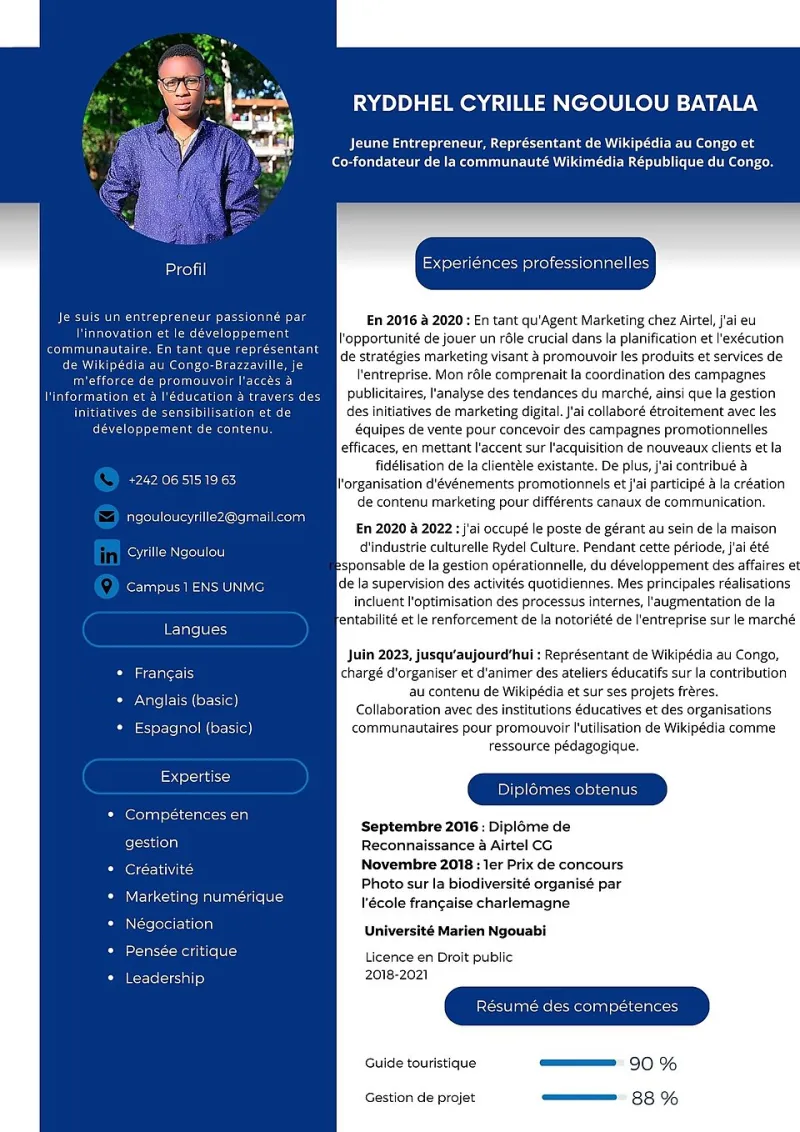
Photo: Africany, CC0, via Wikimedia Commons
Most CV advice fails for a boring reason: it assumes you have one document. You don't. You need two, and they do completely different jobs.
The first is a master CV — an unglamorous, sprawling archive of everything you've ever done, with numbers attached. The second is a sprint CV — a short, sharp, two-page maximum document built for one advert and then retired.
Get this workflow right and applying stops being an exercise in blank-page panic. Get it wrong and you'll spend forty minutes every evening rearranging the same bullet points while the deadline creeps closer.
Why one CV fails both jobs
A document that has to serve every application ends up optimised for none. It gets longer and vaguer with each edit, because you can never quite bring yourself to delete the retail job from 2021. And because it's precious, you're reluctant to rewrite it — so you send the same generic thing to a graduate scheme at a consultancy and a data role at an NHS trust and wonder why the reply rate is a shrug.
Splitting the two resolves the tension. The archive can be as long, messy and detailed as it likes. The sprint CV can be ruthless, because nothing is lost when you cut it.
The master CV: your archive, not your advert
Think of it as a database with formatting. Nobody ever sees it. There's no page limit, no design, no keyword optimisation. Just an honest record.
What goes in:
- Every role, project and placement, however small, with dates in a consistent format.
- Numbers: budget sizes, user counts, percentages, timescales, class sizes, ticket volumes, whatever your world measures.
- Tools and systems: the dull ones too. If you've used Sage, Salesforce, R, SPSS, Bloomberg, a bespoke CRM nobody has heard of — log it.
- Quiet achievements that you always forget when under pressure. The thing you fixed in week two of a placement. The committee you sat on. The training you delivered.
- Volunteering, societies, part-time work, side projects — particularly useful for graduates with thin formal experience.
- A raw evidence bank for competency questions, because you'll need the same stories later for interviews and assessment centres.
Update it on a rhythm, not in a panic. Twenty minutes every Friday is enough: add one metric you learned, one thing you shipped, one problem you solved. Do that for a year and your sprint CVs write themselves.
The sprint CV: built for one advert only
This is the document you actually send. Two pages, usually one for anyone with under three years' experience. It is disposable by design — you'll rebuild it for the next application, and that's the point.
Five moves, every time:
- Rewrite the profile from scratch. Three lines naming the role you're applying for and the two strongest pieces of evidence you have. No "hard-working team player with a passion for excellence".
- Reorder your bullets. Whatever is closest to the advert's top three requirements goes first in each role, even if it wasn't your main duty.
- Mirror the language. If the advert says "stakeholder engagement", use "stakeholder engagement". This is translation, not lying — and UK public sector recruiters score against published criteria, so the wording genuinely matters.
- Cut anything that isn't evidence. Hobbies with no relevance, school grades once you have a degree, the two-week work experience from 2019.
- Give it a job-specific filename. More on that below.
The 25-minute sprint build
Open the advert in one window and the master CV in another. Highlight the person specification. Pull only the lines that map to it. Assemble, rewrite the profile, check the dates line up, read it aloud once, send.
If it takes you two hours, you're polishing, not tailoring. Speed is a feature: it's what lets you apply to twelve roles well rather than three roles perfectly.
Formatting that survives the software
Most large UK employers filter applications through an applicant tracking system — Workday, Greenhouse, Tribepad, Oracle and the rest. These are better than they used to be, but they're still not mind readers.
- Single column. No text boxes, no tables, no graphics, no skill bars.
- Standard headings: Profile, Experience, Education, Skills, Additional Information.
- Dates as month and year, consistently: "Mar 2024 – Present".
- Contact details in the body of the document, not in a header or footer, which some parsers strip out.
- Save as PDF unless the portal asks for .docx — and check the PDF actually opens and the text is selectable.
- Job title in the filename:
Patel-Priya-DataAnalyst-NHS-2026-11.pdf. Surname first makes you findable in a shared folder.
What makes a UK recruiter switch off in twenty seconds
- A photograph. Still common, still a distraction, still not expected here.
- Date of birth, marital status, nationality. Remove them.
- A three-paragraph personal statement before any evidence.
- "References available on request" — it's assumed, and it wastes a line.
- "Responsible for…" with no outcome attached.
- The wrong company name in the profile, left over from the last application. This happens constantly and it's fatal.
- Unexplained gaps with no one-line note. A short "career break — caring responsibilities, 2023–24" is fine. Silence isn't.
- Inconsistent spelling of organisation/organization, or a mix of CV and résumé conventions.
- Three pages of prose for two years of experience.
- Font size shrunk to 8pt to fit everything in. Cut, don't squash.
Version control for people who hate version control
Keep three folders: Master, Live and Submitted. The master file never gets edited into a sprint CV — always duplicate first. Rename every submitted file with the role, employer and month. Keep a simple spreadsheet of what you sent, where, and when, because in three weeks you will absolutely not remember.
It's unglamorous. It's also the difference between applying on a Tuesday evening in twenty minutes and losing an entire weekend to the same three bullet points.
Archive everything. Send only the sprint.