Your Answers Are Ready. Is Your Route? The UK Interview-Day Logistics Check
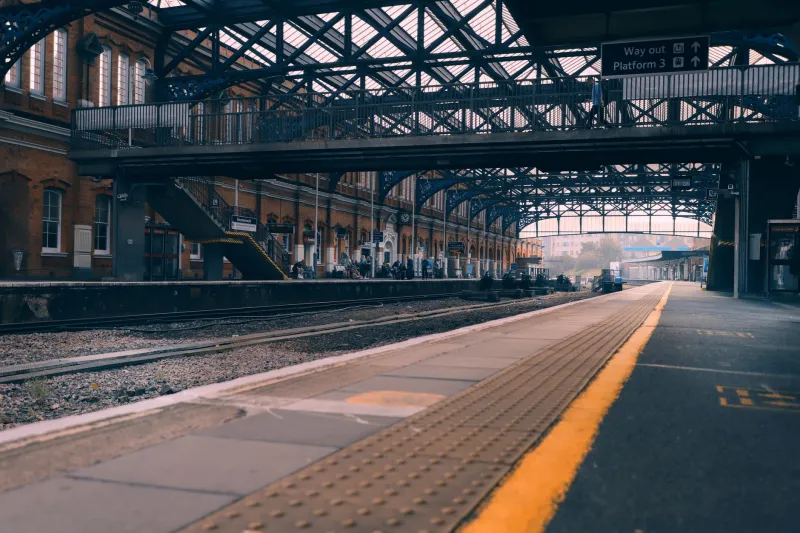
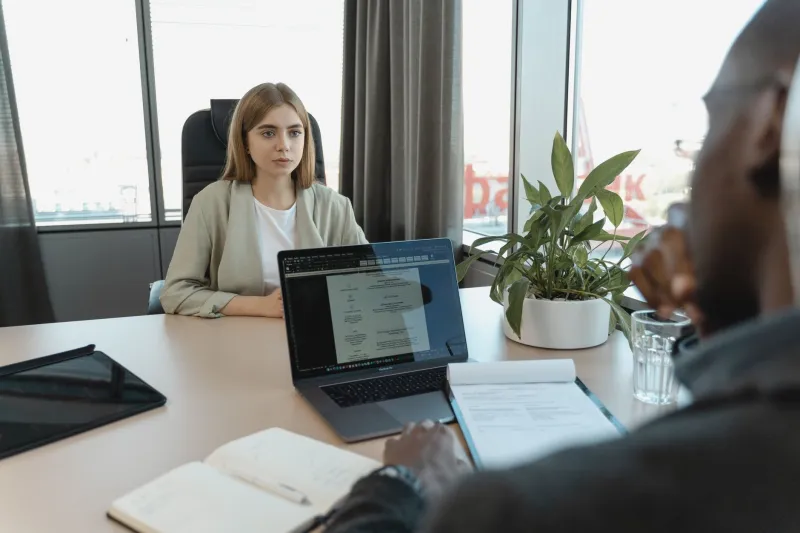
You can recite your best project story backwards. You know the company's latest announcement and you have a sensible question ready about hybrid working. Then the train sits outside Clapham Junction for twenty minutes, the car park barrier rejects your card and reception has never heard of your interviewer. By the time you sit down, all that preparation is leaking out of your ears.
At JobSearchLive, we see plenty of advice about answers, CVs and salary conversations. Less attention goes to the bit between your front door and the interview room. That last mile is not admin. It is part of the interview, and in 2026 it deserves its own plan.
The bit nobody rehearses
Most UK candidates over-prepare the conversation and under-prepare the journey. They check the company website but not the exact visitor entrance. They know the job description but not whether the station lift is working. They plan to arrive early but have no plan for what early actually looks like when reception is a glass box with one stressed security guard.
Treat interview-day logistics as a separate task. Give it twenty minutes the day before. It is boring, quick and one of the highest-return bits of prep you can do.
Build a two-layer route plan
You need a primary route and a recovery route. Not a vague idea of one. A real plan B.
Start with the postcode, not just the building name. Big employers often have several sites, and a city centre address can mean a reception tucked down a side street rather than the shiny main door. Check the employer's contact page or your invitation email for visitor instructions. If it is unclear, ask the recruiter. A quick email saying 'Could you confirm the visitor entrance and whether I need photo ID?' is normal, not fussy.
Then check the operator you will actually use. National Rail, TfL, your local bus app or the motorway traffic service. Look for engineering works, strikes, road closures and major events. Save screenshots of the route and the address so you are not relying on a signal blackspot.
Your recovery route might be a different train line, a bus from the next station, a pre-booked taxi number or a colleague who could theoretically rescue you. You do not need to memorise it. You just need to know it exists before you need it.
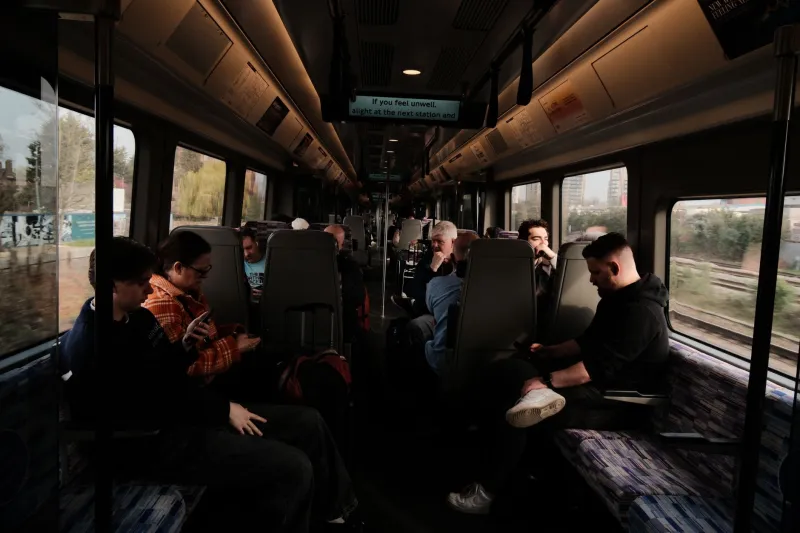
Rail disruption is a plan, not a panic
If your train is cancelled, do not sprint to the taxi rank while refreshing the operator app with one thumb. Step to one side. Check the next viable service. Check whether a slower route gets you there sooner. Then message the recruiter before you are officially late.
Early communication buys goodwill. Silence does not. A short, calm update is enough: 'Morning Sam, I am on the 08:42 to Leeds and it is currently delayed by around fifteen minutes. I am still aiming to arrive for 10:10 and will update you by 09:30 if that changes.'
That message does three things. It shows you are thinking about their diary. It gives them a realistic arrival time. And it stops them wondering whether you are the sort of person who simply does not turn up.
If the delay becomes serious, offer options rather than a dramatic apology. 'I can still make 10:30, or I am happy to reschedule if that is easier for the panel.' Most interviewers have experienced a broken train themselves. They respond better to a clear plan than a rambling explanation about signal failures.
Parking, reception and the ten-minute buffer
Driving? Pre-book parking where you can. Check the height restriction, the payment app and the actual pedestrian exit. A car park that is four minutes from the office on a map can be twelve minutes away when you are circling a one-way system. Apps such as JustPark or RingGo can help, but check the details rather than trusting the pin.
Aim to walk through the door around ten to fifteen minutes early. Not forty-five. Reception staff are not a cloakroom, and sitting in the lobby for half an hour can make you more nervous, not less. Ten minutes gives you time to sign in, use the loo, silence your phone and take one calm breath.
Know the name of your interviewer and the floor. Bring photo ID if there is any chance security will ask. Be pleasant to reception. They are not part of the scoring sheet, but they notice, and they often tell the hiring manager who was friendly and who was huffy.
If you get a parking ticket, deal with it after the interview. Do not spend the first five minutes explaining it to the panel. The ticket is annoying. It is not the story of your career.
If you are running late, say this
Call or email before the start time, not after. Keep it short. Give a new ETA. Ask whether they would prefer to start late or move the slot.
Try: 'Hi Priya, it is Alex. My bus has been held up and I now expect to arrive at 11:12 rather than 11:00. I am sorry for the disruption. Would you like me to come straight up, or would it be easier to shift the interview?'
When you arrive, apologise once. Then let it go. Over-apologising makes the panel manage your feelings instead of assessing your work. A brief 'Thank you for being flexible, the roads were not on my side this morning' is plenty.
The night-before checklist
- Confirm the exact address, visitor entrance and floor.
- Check the train, bus or traffic app and note any disruption.
- Book parking or check payment details.
- Charge your phone and save the recruiter's number.
- Put photo ID, a pen and a small notebook in your bag.
- Check the interviewer's name and job title.
- Lay out clothes you actually feel comfortable in.
- Set two alarms, not one.
- Decide your arrival target time and work backwards.
The last mile is part of the interview
A calm arrival does not guarantee an offer. But a chaotic one can stop you showing what you are really like. The last mile is where preparation meets reality, and it is much easier to control than a curveball interview question. Plan the route, build the buffer, send the early update if things wobble, and walk in ready to have a proper conversation.
Your answers are ready. Make sure the rest of you arrives with them.